About
The Mental Health and Impaired Driving Working Group (MHIDWG) is a collaborative network of traffic safety leaders committed to addressing the critical intersection between impaired driving and mental health disorders. The Working Group brings together experts from across disciplines to advance evidence-based strategies that improve public safety and support more effective system responses.














Mental Health and Impaired Driving Working Group focuses on:
- Advancing and supporting research-based solutions
- Identifying gaps in existing policies, programs, and practices
- Promoting the collection and use of high-quality data
- Encouraging mental health and substance use screening for all impaired driving offenders
- Educating traffic safety professionals, policymakers, legislators, the media, and other key stakeholders
This webpage serves as a central hub for resources, research, and tools related to mental health and impaired driving. We welcome collaboration and knowledge-sharing and encourage you to share relevant resources or information that may support this work.
Research Snapshots
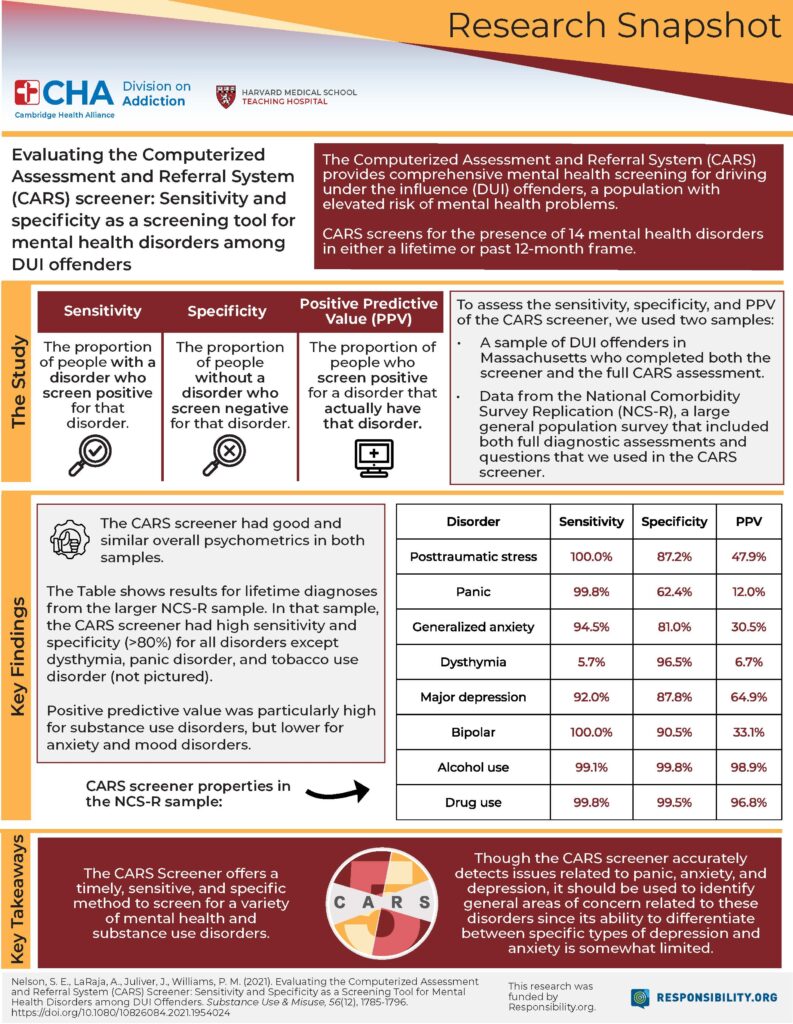
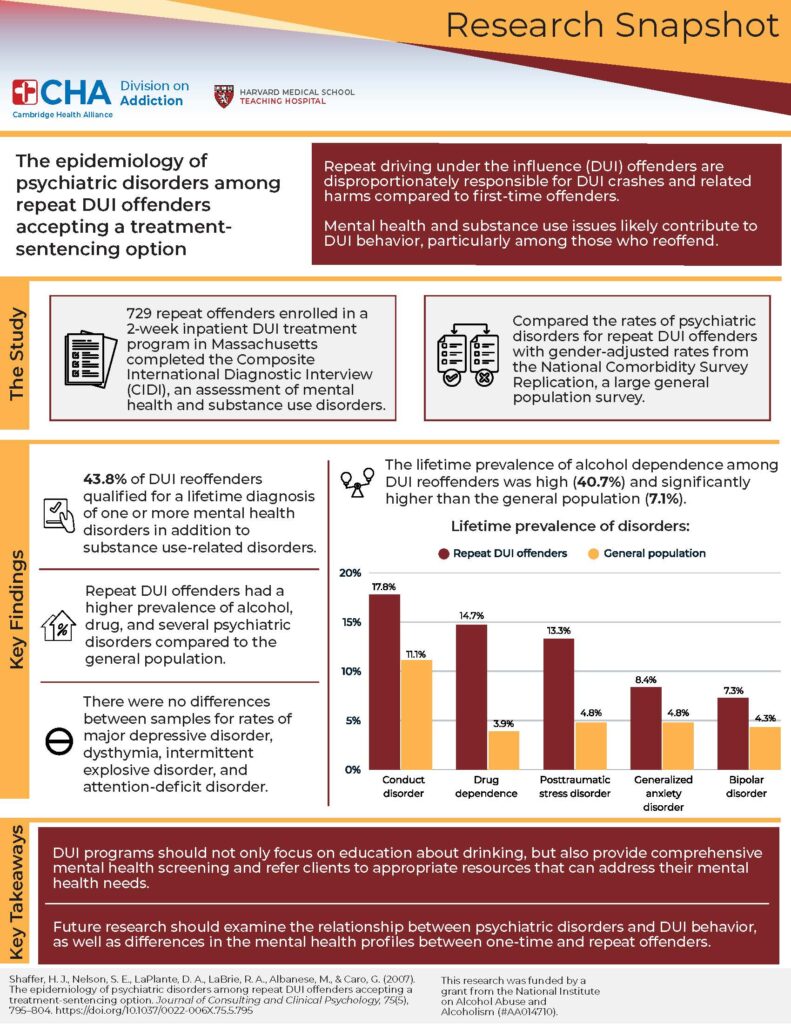
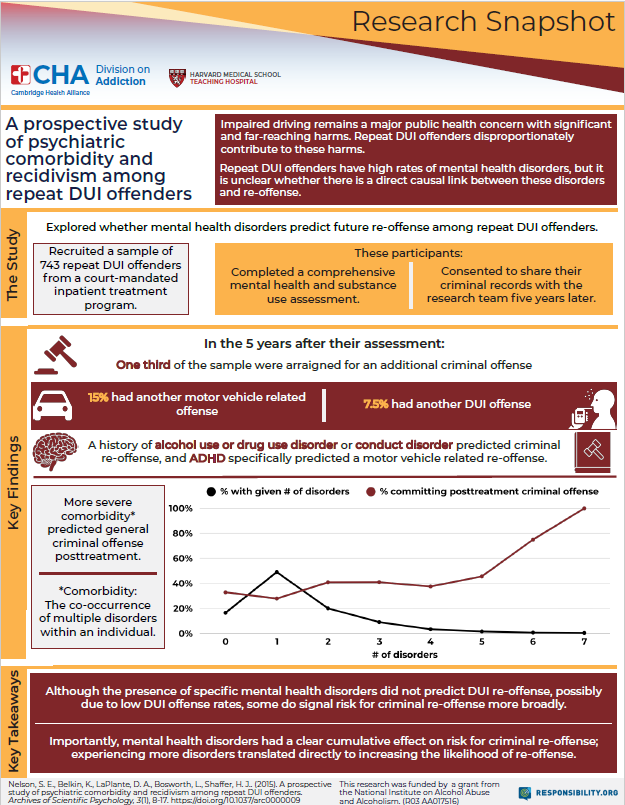
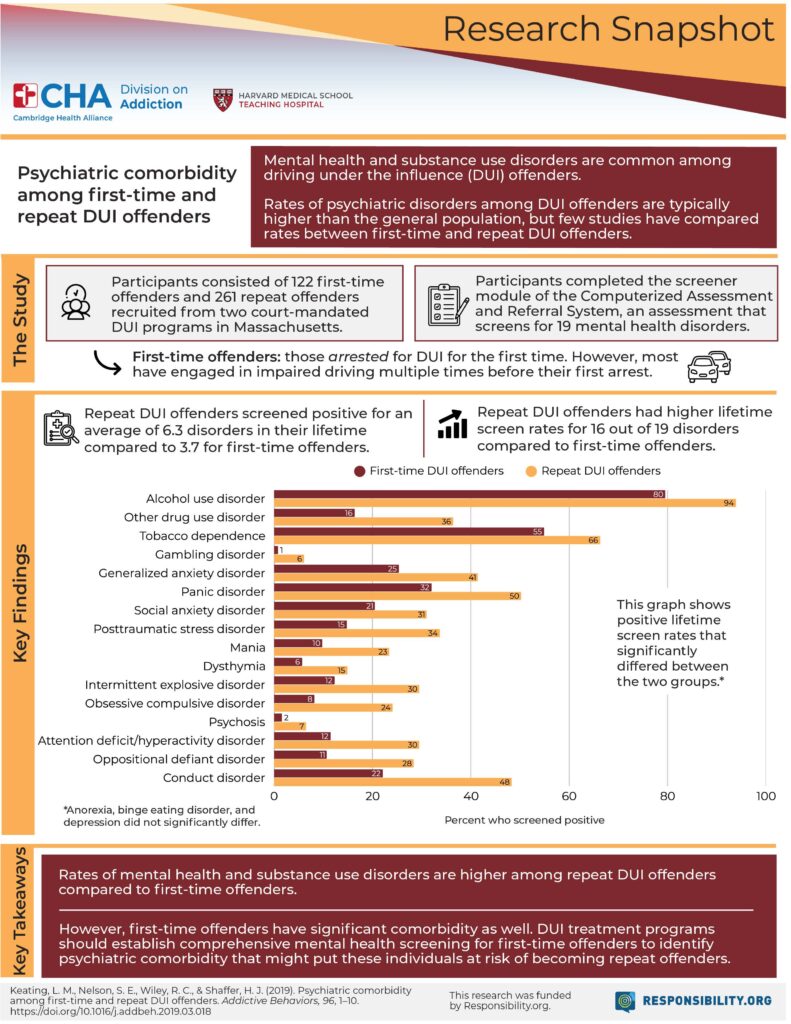
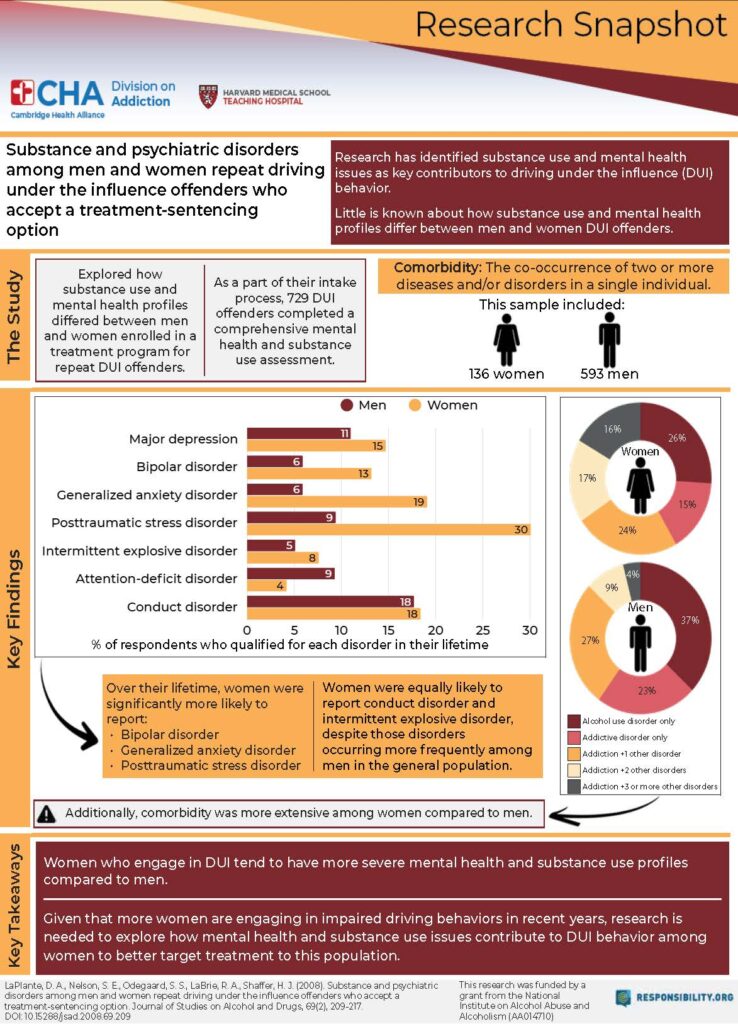
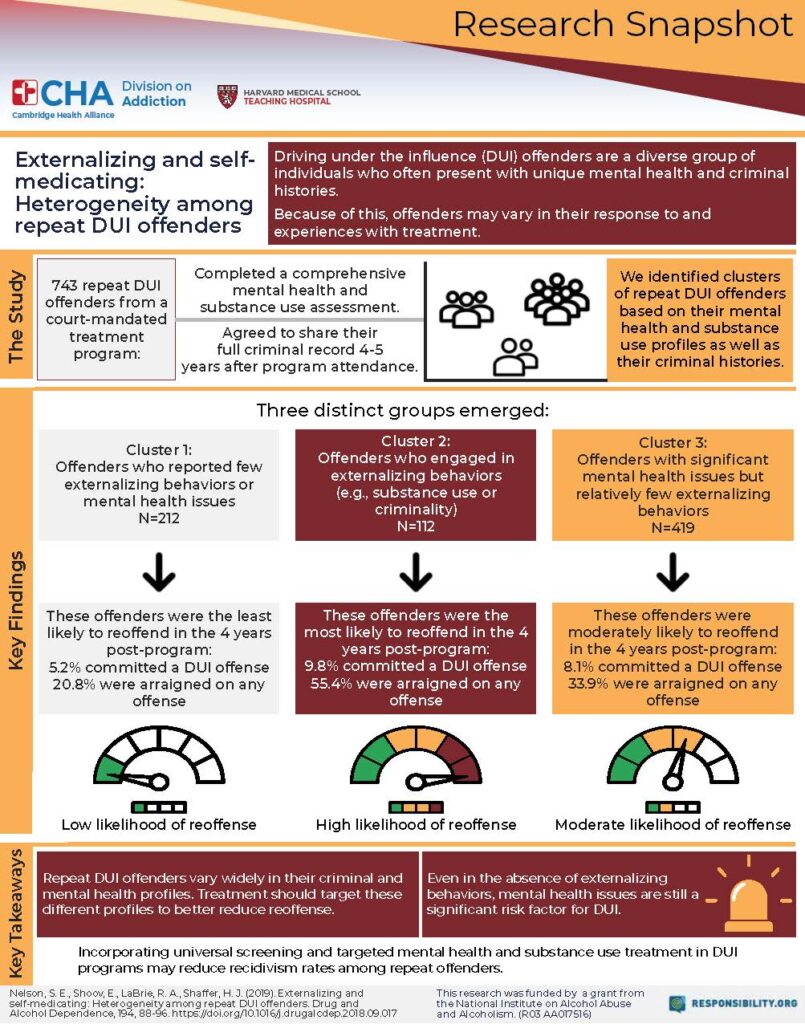
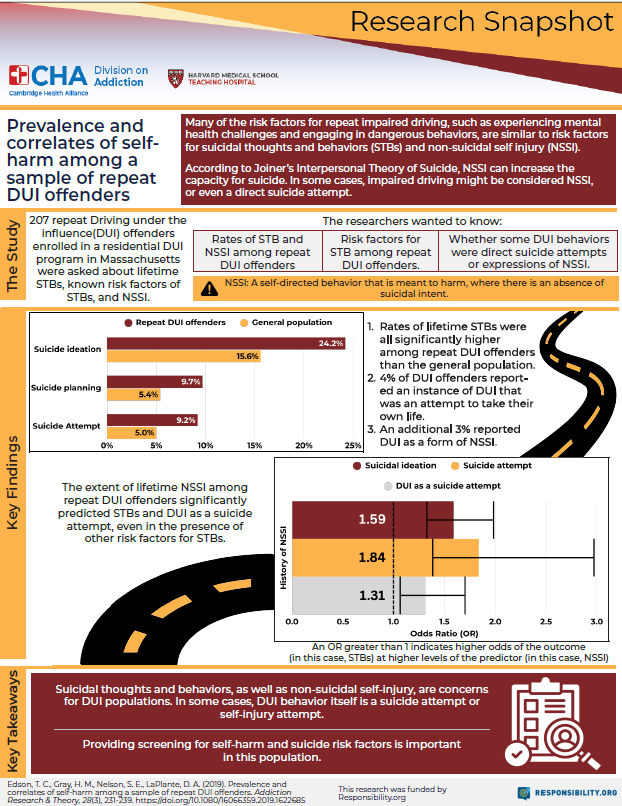
These snapshots, created in partnership with Harvard’s Cambridge Health Alliance, help explain the link between mental health disorders and impaired driving. They highlight the importance of screening and assessment in prosecuting and sentencing drunk and impaired drivers and aid in identifying underlying catalysts of the choice to drive under the influence.